
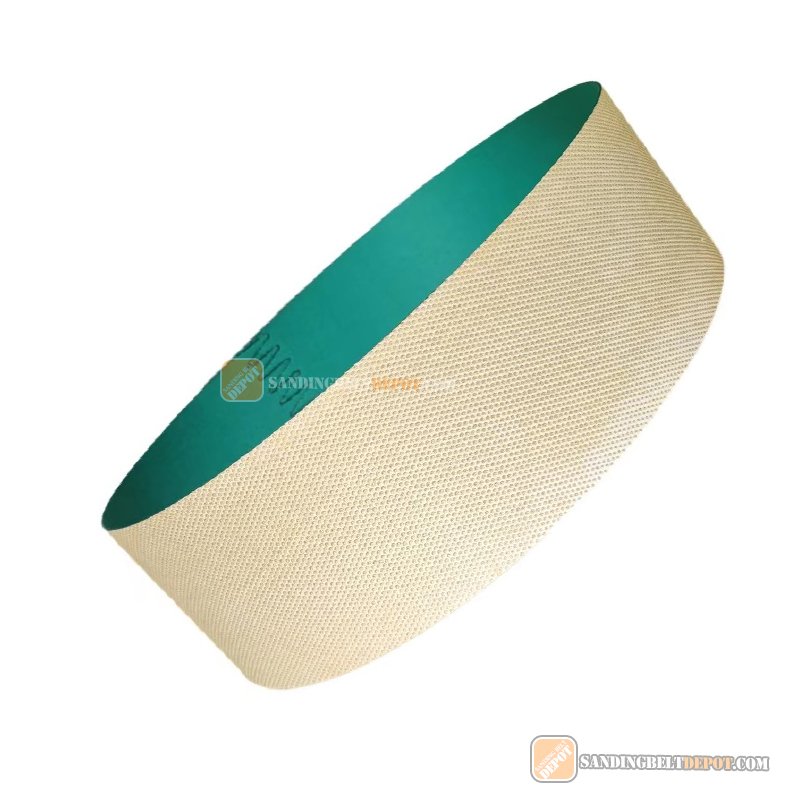
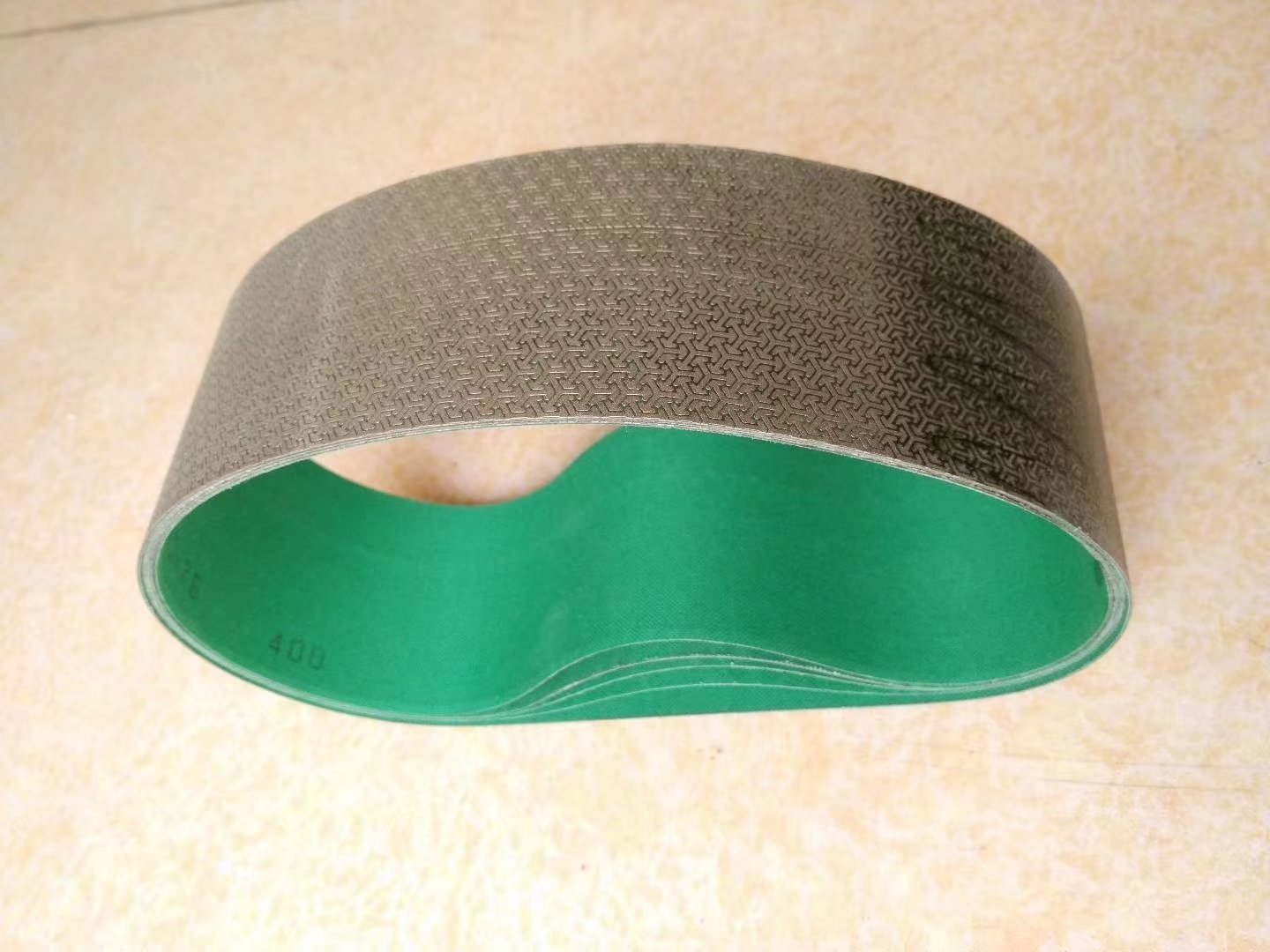
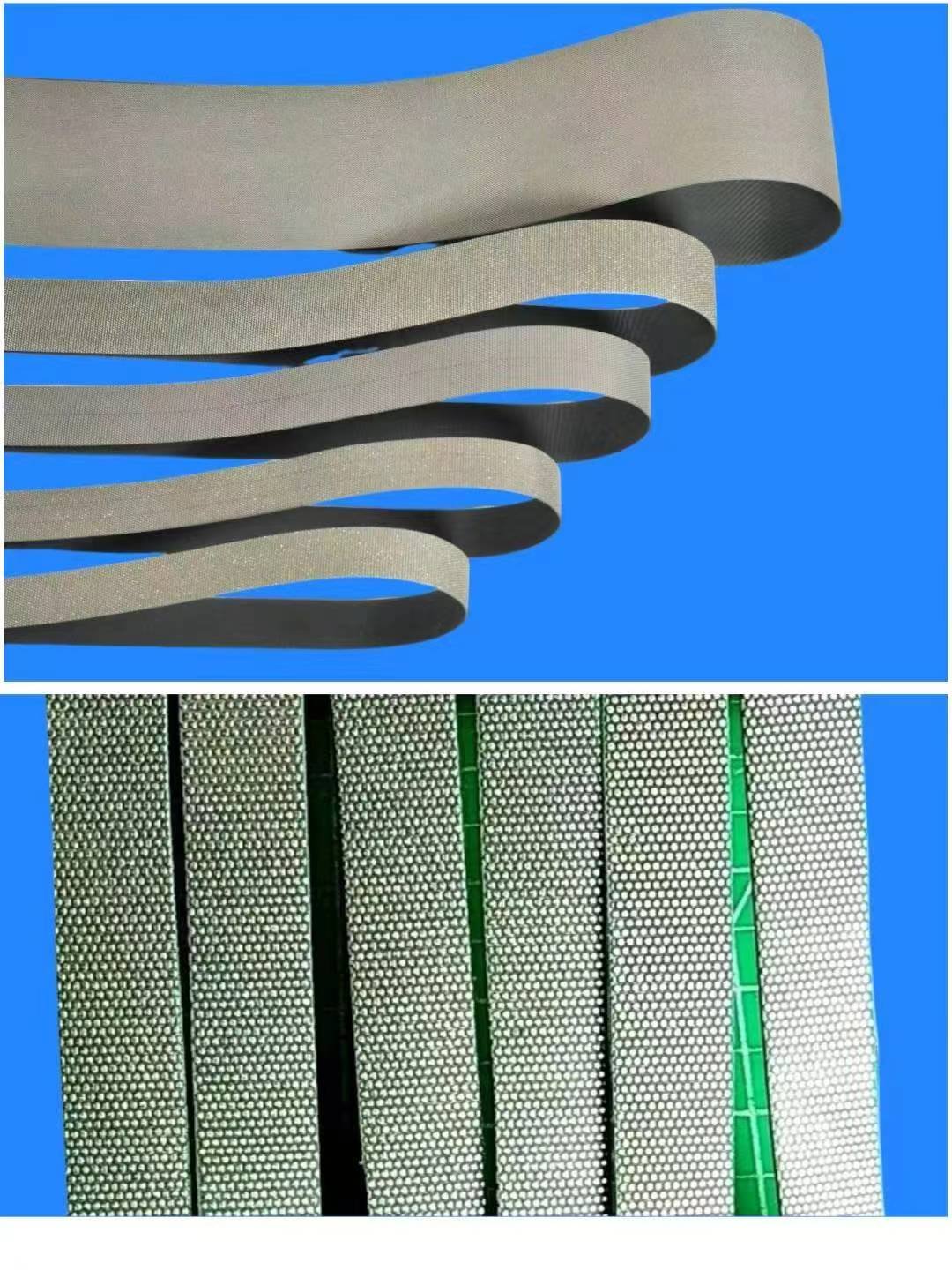
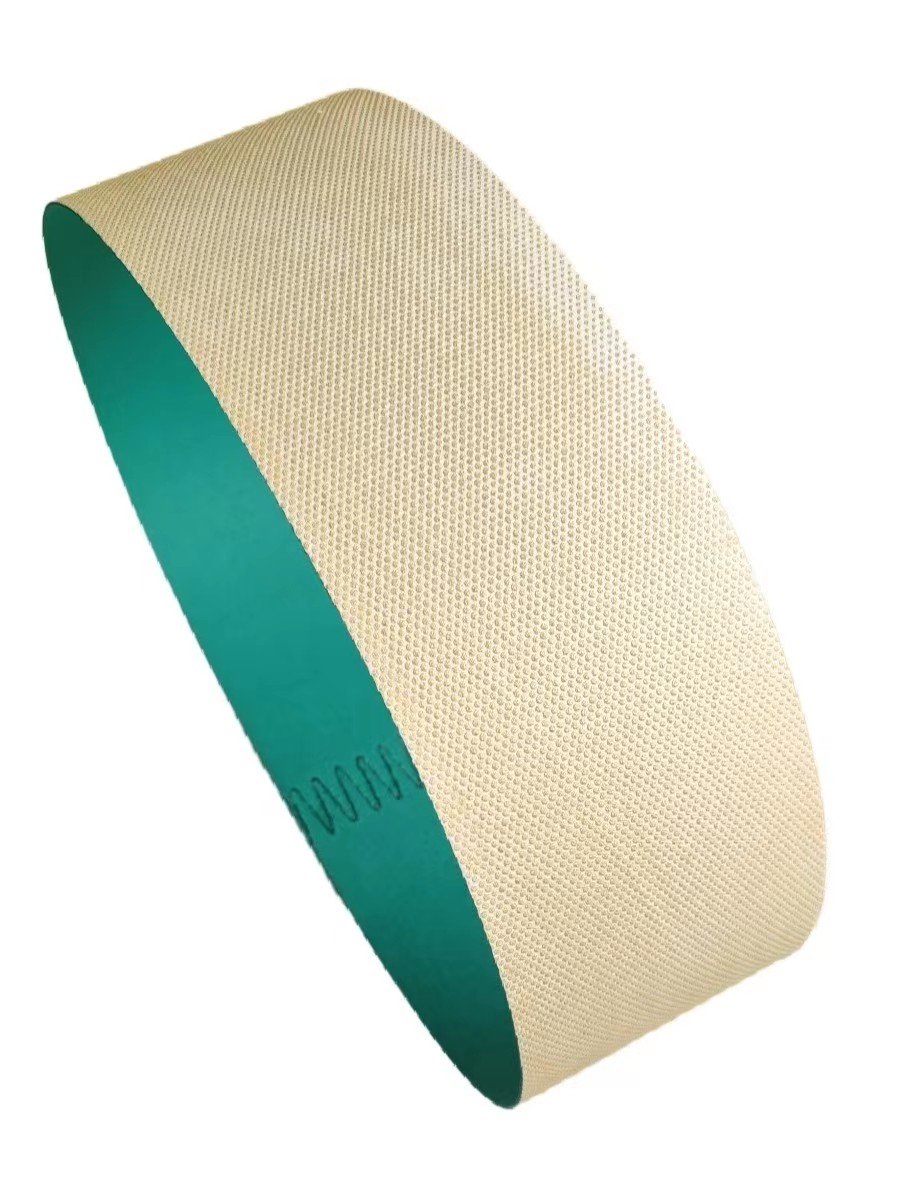
For professionals who work with exceptionally hard and abrasive materials, standard abrasive belts wear out in minutes, leading to high costs and inconsistent results. Diamond Sanding Belts are the engineered solution, utilizing synthetic diamond—the hardest material on earth—as the abrasive grain. This provides unparalleled cutting speed, extreme durability, and a consistent finish on materials that quickly degrade conventional belts.
Our belts are manufactured using advanced electroplating and resin bond processes, ensuring maximum diamond exposure and bond strength for the most demanding industrial applications.
- Unmatched Longevity: Outlast conventional abrasive belts by 100x or more on hard materials, drastically reducing cost-per-part and changeover downtime.
- Superior Cutting Speed: The extreme hardness of diamond grains allows for aggressive stock removal with less pressure and heat generation.
- Cooler Cutting Action: Efficient material removal reduces heat buildup, minimizing the risk of thermal damage to both the workpiece and the tooling.
- Consistent Performance: Maintains a sharp cutting surface throughout its lifespan, ensuring a uniform finish from the first pass to the last.
- Versatile Application: The definitive choice for processing ultra-hard materials that are impractical with other abrasives.
Technical Specifications
| Specification | Detail |
|---|---|
| Abrasive Material | High-Grade Synthetic Diamond (CBN optional) |
| Bond Type | Electroplated (Single Layer) or Resin Bond |
| Backing Material | Heavy-Duty Polyester Film, Cloth, or Composite Backing |
| Grit Sizes | Coarse: 40# – 120# |
| Standard Widths | 4″, 6″, 8″, 12″, Custom widths available |
| Standard Lengths | Custom lengths to fit any machine (e.g., 18″, 30″, 48″, 75″) |
| Operating Speed | Recommended: 2,500 – 5,500 SFPM (12 – 28 m/s) |
Primary Applications & Ideal Use Cases
Diamond sanding belts are not a general-purpose abrasive. They are specifically designed for:
- Carbide Tools & Inserts: Grinding, sharpening, and finishing of tungsten carbide tools.
- Technical Ceramics: Shaping and finishing alumina, zirconia, silicon carbide, and other advanced ceramics.
- Glass & Quartz: De-edging, shaping, and polishing of glass, optical lenses, and quartz composites.
- Hardened Steel: Finishing of hardened tool steels (HRC 50+) where other abrasives fail.
- Stone & Composites: Grinding and polishing of granite, engineered stone, and carbon fiber composites.
- CBN Option Available: For specific ferrous alloys like high-speed steel, we offer belts with Cubic Boron Nitride (CBN) abrasive.
Electroplated vs. Resin Bond Diamond Belts: Which is Right for You?
| Electroplated Diamond Belts | Resin Bond Diamond Belts | |
|---|---|---|
| Best For | Aggressive Stock Removal | Fine Finishing & Polishing |
| Bond Description | Single layer of diamond firmly bonded to a nickel-plated backing. | Multiple layers of diamond held in a resilient resin matrix. |
| Advantages | Fastest cutting, most durable, longest life for heavy grinding. | Provides a finer finish, more forgiving on contours, less prone to scratching. |
| Grit Range | Best for coarse to medium grits (40# – 400#). | Best for medium to ultra-fine grits (200# – 3000#). |
Pro Tip: For a complete process, start with an Electroplated belt for rapid shaping and follow with a Resin Bond belt to achieve the desired surface finish.
Frequently Asked Questions (FAQ)
Q: Can I use diamond sanding belts on steel?
A: Diamond is not recommended for most carbon steels. The carbon in the steel reacts with the carbon in the diamond, causing rapid wear (graphitization). Use diamond primarily for non-ferrous materials like carbide and ceramics. For hardened steel, consider our CBN (Cubic Boron Nitride) belts.
Q: How long does a diamond sanding belt last?
A: Lifespan is measured in months of use on hard materials, not hours. A single diamond belt can often outlast hundreds of conventional belts, making it exceptionally cost-effective for its intended applications.
Q: What machine do I need to use these belts?
A: They are designed for standard wide belt sanders, backstand idler grinders, and purpose-built grinding machines. Ensure your machine can handle the required tension and operates within the recommended SFPM range.
Q: Do they require any special operating techniques?
A: Use with a light, consistent pressure. Let the diamond abrasive do the work. Forcing the workpiece can fracture the diamonds or generate excess heat. Using water as a coolant is highly recommended for resin bond belts to extend life and improve finish.
How to Order Custom Diamond Sanding Belts
We specialize in manufacturing belts to your exact specifications.
- Determine Your Needs: Material, desired finish, grit progression, and machine specifications.
- Contact Our Engineers: Provide your details for a expert recommendation on bond type, grit, and backing.
- Receive a Quote & Sample: We’ll provide a competitive quote and can often produce sample belts for testing.
- Production & Delivery: Once approved, we manufacture your order with strict quality control and ship globally.
Get a Free Expert Consultation & Quote
Don’t let hard materials slow down your production. Our technical specialists are here to help you select the perfect diamond abrasive solution for your specific application.
➡️ Click to Contact Us for a Quote
➡️ Request a Free Sample Belt for Testing
Email(sandingbeltsolution@gmail.com)
Reviews
There are no reviews yet.